
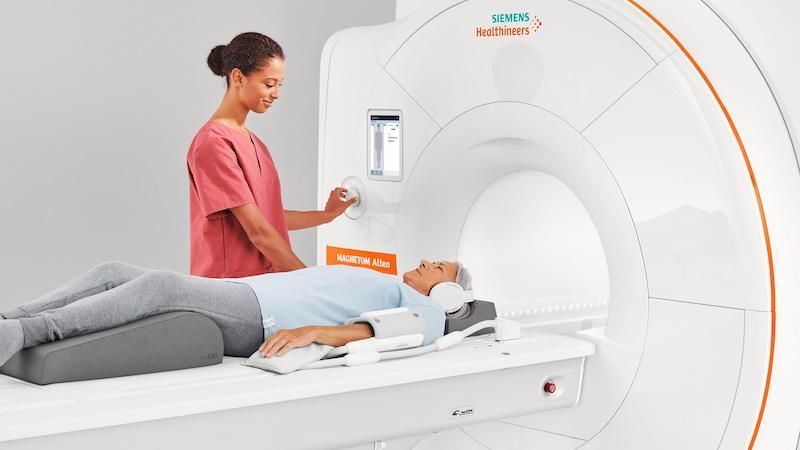
Pelvic Congestion Syndrome (PCS)
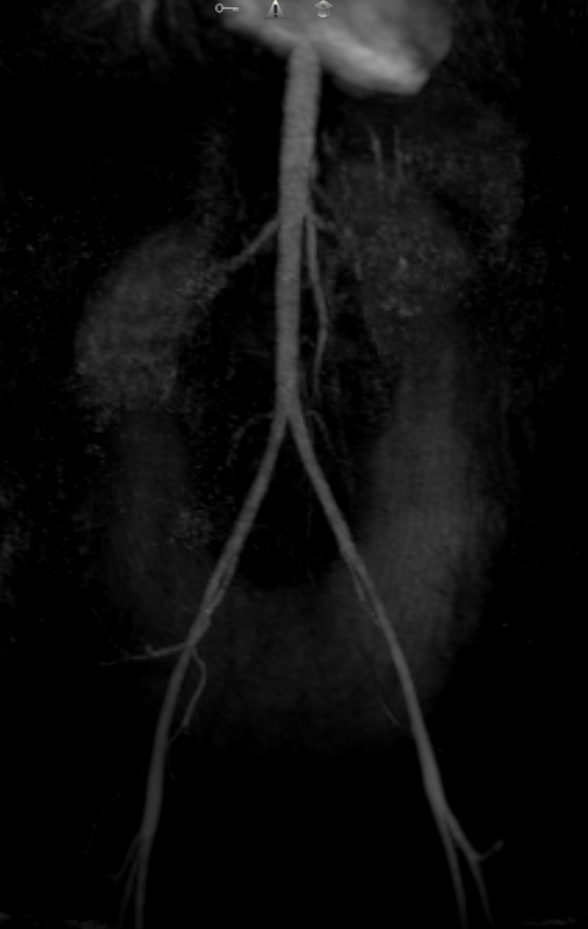
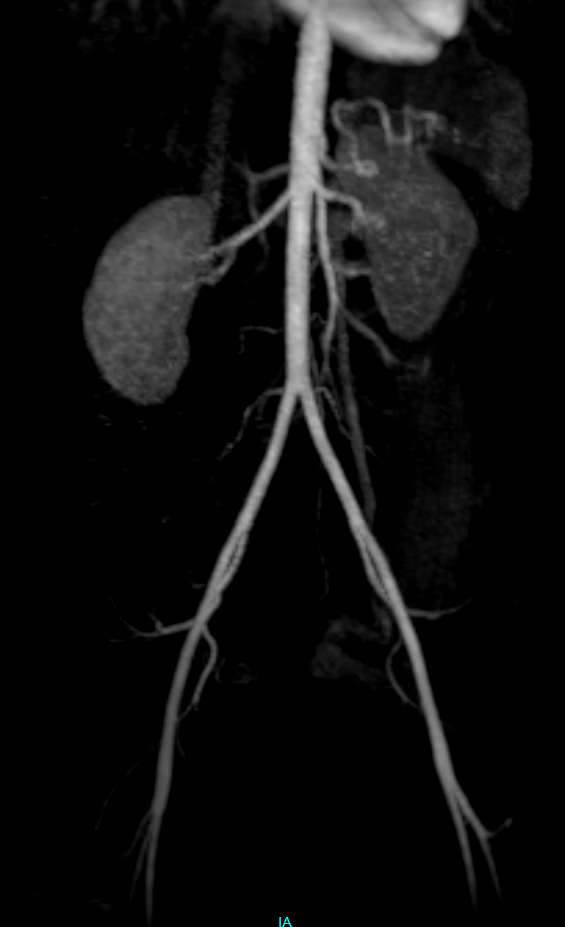
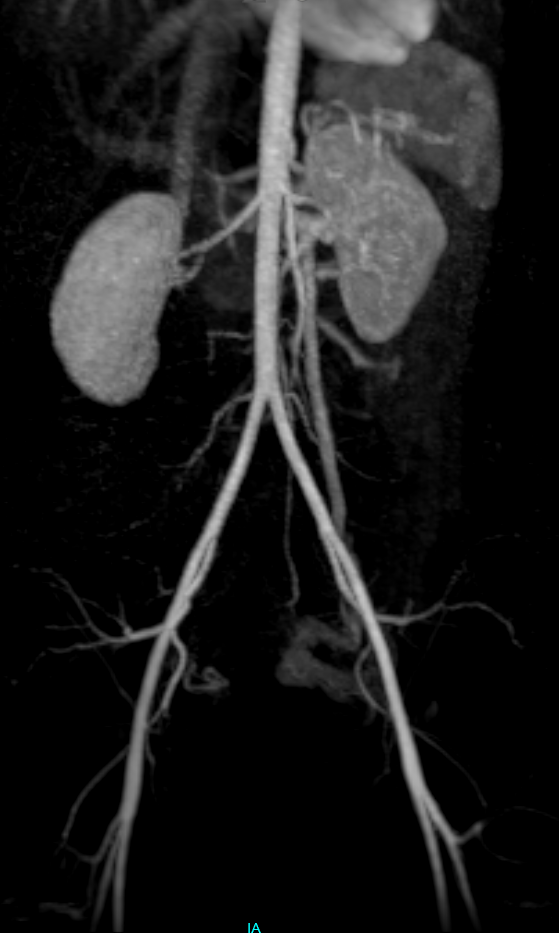
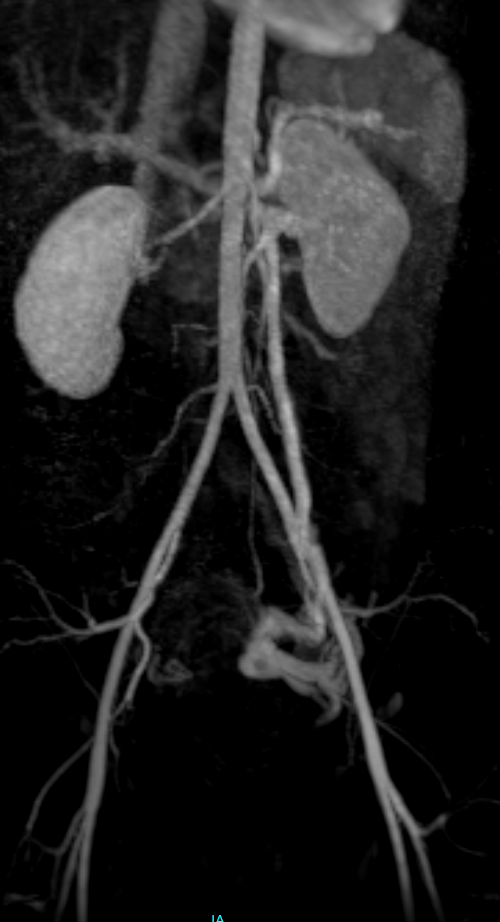
We are one of the few outpatient imaging centers in the Chicago area offering advanced MRI/MRV with TWIST technology for the accurate diagnosis of Pelvic Congestion Syndrome.
Have you been suffering from a dull, aching, nagging pelvic pain for years without an accurate diagnosis — and therefore without effective treatment? You might be suffering from Pelvic Congestion Syndrome.
Many young women with unexplained pelvic pain suffer in silence for years. Many are told by their provider to simply manage the pain with pain medication or large doses of ibuprofen. Some attribute the discomfort to PMS, since it tends to worsen before the start of their period. You deserve a real answer — not just a suggestion to live with it.
The following guide will help you understand:
- What Pelvic Congestion Syndrome is and how it develops
- What symptoms are associated with the condition
- Why PCS is so frequently misdiagnosed
- How our advanced MRI/MRV technology provides an accurate diagnosis
- What treatment options are available
- Why Fox Valley Imaging is the right choice for this scan
What Is Pelvic Congestion Syndrome?
Understanding the condition
Female Pelvic Congestion Syndrome (PCS) is a chronic condition where veins in the pelvis become enlarged and congested — similar to varicose veins, but located inside the lower abdomen and pelvis. This causes ongoing pelvic pain, particularly in women of reproductive age.
Normally, veins carry blood back toward the heart using tiny one-way valves. In PCS, these valves do not work properly, so blood pools in the pelvic veins instead of moving forward. This leads to pressure, swelling, and pain. The ovarian veins — sometimes only on one side — develop varicosities similar to the varicose veins seen on the legs.
Symptoms
What symptoms are associated with the condition?
PCS symptoms are often dismissed or attributed to other causes, which is why the condition goes undiagnosed for so long. Common symptoms include:
- Dull, aching pain in the lower abdomen or pelvis lasting 6 or more months
- Pain that worsens with prolonged standing
- Pain during or after sex
- Pain that increases before or during your period (often mistaken for severe PMS)
- A feeling of heaviness or fullness deep in the pelvis
- Visible varicose veins in the buttocks, inner thighs, or vaginal area
- Chronic lower back pain without a clear orthopedic cause
Diagnosis
Why is PCS so difficult to diagnose — and how do we solve that?
PCS can be tricky to diagnose because its symptoms overlap significantly with other conditions, including endometriosis, irritable bowel syndrome, and even hip disorders. Many patients are left to suffer after years of failed treatments — not because there is no answer, but because the right question was never asked.
The good news is that thanks to a new generation of MRI/MRV scanning technology, Pelvic Congestion Syndrome can now be diagnosed with exceptional accuracy.
Most people are familiar with MRI. MRV (Magnetic Resonance Venography) is a similar scan focused specifically on visualizing veins. Historically, obtaining a high-quality pelvic MRV was extremely difficult — scanning too early captured only the arterial phase, while scanning too late caused the veins to be missed entirely. Our new MRI machine eliminates that guesswork entirely.
Our advanced imaging uses a protocol called TWIST — which stands for T ime- R esolved A ngiography W ith I nterleaved S tochastic T rajectories. TWIST captures all phases of blood flow simultaneously, making it possible to clearly detect even the most subtle abnormalities in pelvic venous drainage. In plain terms: we show your physician a complete, high-clarity picture of every phase of blood flow through the pelvic veins — leading to an accurate diagnosis.
In a recent scan, the pelvic veins on the left side were visibly engorged with blood and remained that way for several minutes after contrast was introduced. Pelvic Congestion Syndrome was clearly identified and a diagnosis was given. The patient had been suffering with unexplained pelvic pain for seven years. She was relieved to finally have an answer — and a path forward.
Treatment Options
What types of treatments are available?
While Fox Valley Imaging specializes in providing your physician with the most accurate possible diagnosis, it is helpful to know that effective treatments for PCS exist. Your doctor can discuss which approach is right for you following a confirmed diagnosis.
Non-Invasive
- Hormonal therapy to reduce vein dilation and relieve symptoms
Minimally Invasive
- Pelvic vein embolization — a common outpatient procedure that blocks the problematic veins
Surgical (Rare)
- Removal or surgical ligation of the affected veins in cases that do not respond to other treatments
Why Fox Valley Imaging?
The right diagnosis — at a fraction of the hospital cost
When patients in the Chicago area have sought this scan at other outpatient centers, most have been told the test simply isn't offered. Major hospital systems that do perform it have quoted prices upward of $9,000 — one patient who came to us was quoted $9,400 at a well-known Chicago-area hospital.
Fox Valley Imaging offers this advanced pelvic MRI/MRV scan at a fraction of the hospital cost. Most insurance plans are accepted. In many cases, we are able to schedule patients within the same week — including urgent appointments. Call us at 630-416-1300 and we will be happy to answer any questions you may have.
For over 30 years, Fox Valley Imaging has been committed to providing reliable, empathetic, and accurate medical imaging to our patients and their physicians. We look forward to helping you on your path to better health through better diagnostics.
In Health,
Daniel Daghfal, BS, R.T.(R)(CT)(MR)(ARRT)(ARMRIT)
Imaging Director & Owner · Fox Valley Imaging · Naperville, Illinois